The Little Things Matter
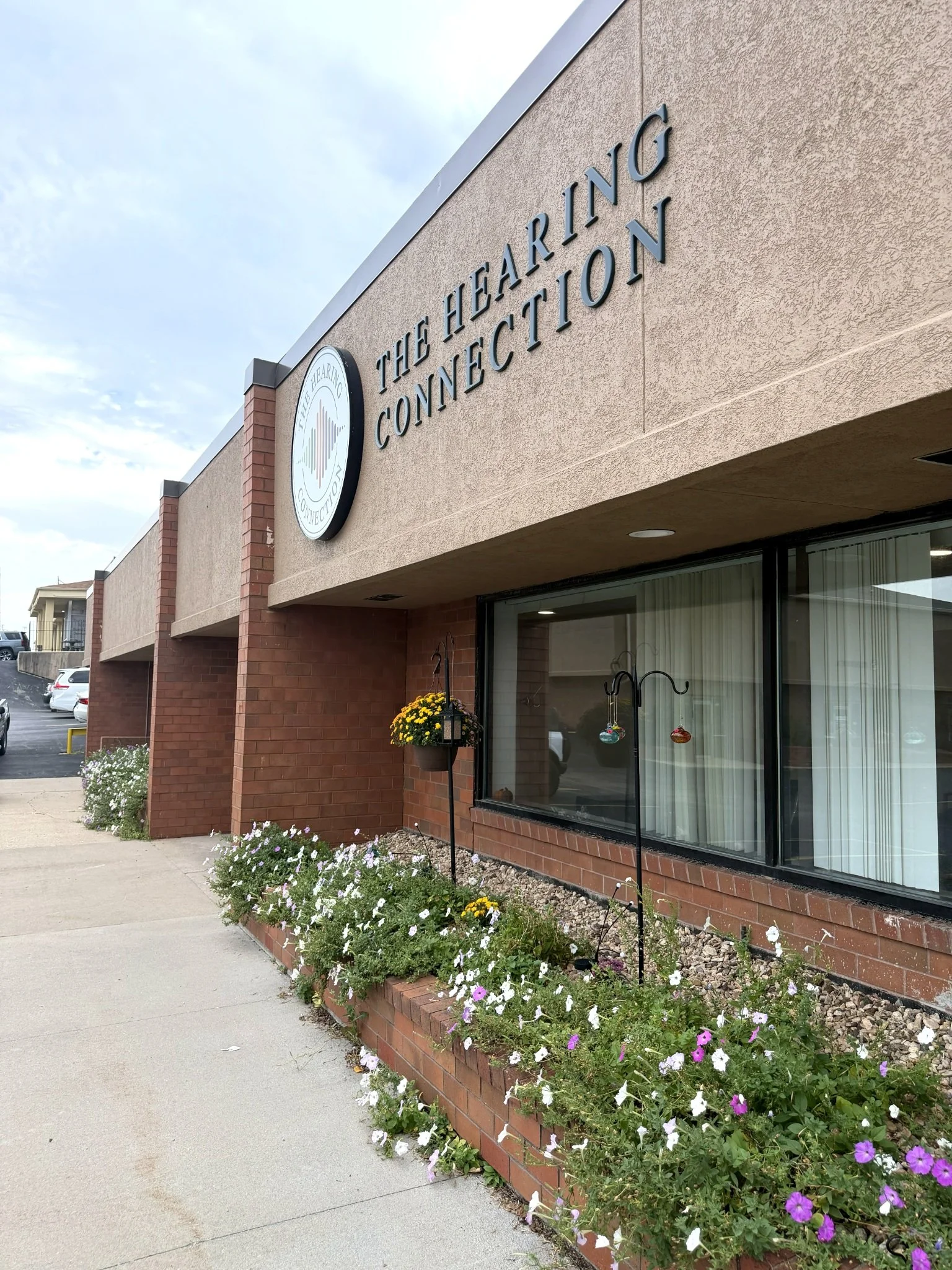
If you stop by The Hearing Connection, you may notice a few things before you ever walk through the front door. There are flowers along the building. There are hanging baskets. There are hummingbird feeders outside the windows. Someone has to water those flowers. Someone has to refill those feeders. Someone has to notice when something needs a little attention.
None of those things have anything to do with hearing aids.
But they have everything to do with the way we believe people should be cared for.
Care is often found in the details. In healthcare, it is easy to focus on the big things.
The test.
The diagnosis.
The technology.
The treatment plan.
Those things are important, of course. But when you are the person sitting on the other side of the desk, the smaller things can matter just as much. Did someone really listen to you? Did they take the time to explain what your hearing test actually means? Did they ask about the situations where you struggle instead of simply looking at a chart? Did they notice when something about your hearing aids did not sound quite right? Did they remember that hearing your grandchildren is more important to you than hearing the television?
Those may sound like little things.
We don't think they are.
Hearing care should be personal
Two people can have very similar hearing tests and still have completely different needs. One person may struggle most in restaurants. Another may want to hear better at church. Someone else may be exhausted from constantly asking their spouse to repeat themselves. A grandparent may simply want to understand the stories coming from the backseat of the car. Good hearing care starts by understanding those differences. That means slowing down enough to ask questions. It means listening to the answers. And it means remembering that we are not treating an audiogram. We are taking care of a person.
The fitting Is not the end. The little things become especially important after someone begins wearing hearing aids. Modern hearing technology is remarkable, but even excellent hearing aids may need adjustments as you begin using them in the real world. Maybe silverware sounds sharper than expected. Maybe your own voice sounds strange. Maybe the restaurant that has always been difficult is still difficult. Those details matter.
Sometimes a small programming adjustment can make a significant difference. Sometimes we need to try something different. Sometimes you simply need reassurance that what you are experiencing is normal while your brain adjusts to hearing sounds it has not heard clearly in years. That is why we believe follow-up care is part of hearing care—not an inconvenience that happens after the sale.
A Place Where People Feel Welcome
We put a lot of thought into the environment at The Hearing Connection, too. We want the office to feel comfortable. We want people to feel welcome. We want you to feel like you have time to sit down, ask questions and understand your options. The flowers outside are part of that. So are the hummingbird feeders. They are small things. They certainly are not required to operate a hearing clinic. But they are reminders of something we believe very strongly:
Care is often found in the details.
When someone trusts us with their hearing, we want them to know that those details matter here. Because better hearing is not simply about making sounds louder. It is about hearing the laugh from across the table. Understanding the person sitting beside you. Following the conversation without working quite so hard. Hearing the story your grandchild is excited to tell you. Those are little moments. And sometimes, the little moments are the most important ones of all.
The Hearing Connection
No pressure. No gimmicks. Just Care.