What Makes Modern Hearing Aids Different
For many people, the phrase “hearing aid” still brings the same image to mind:
a large beige device that whistles constantly, struggles in restaurants, and announces itself to the entire room before the wearer even says hello.
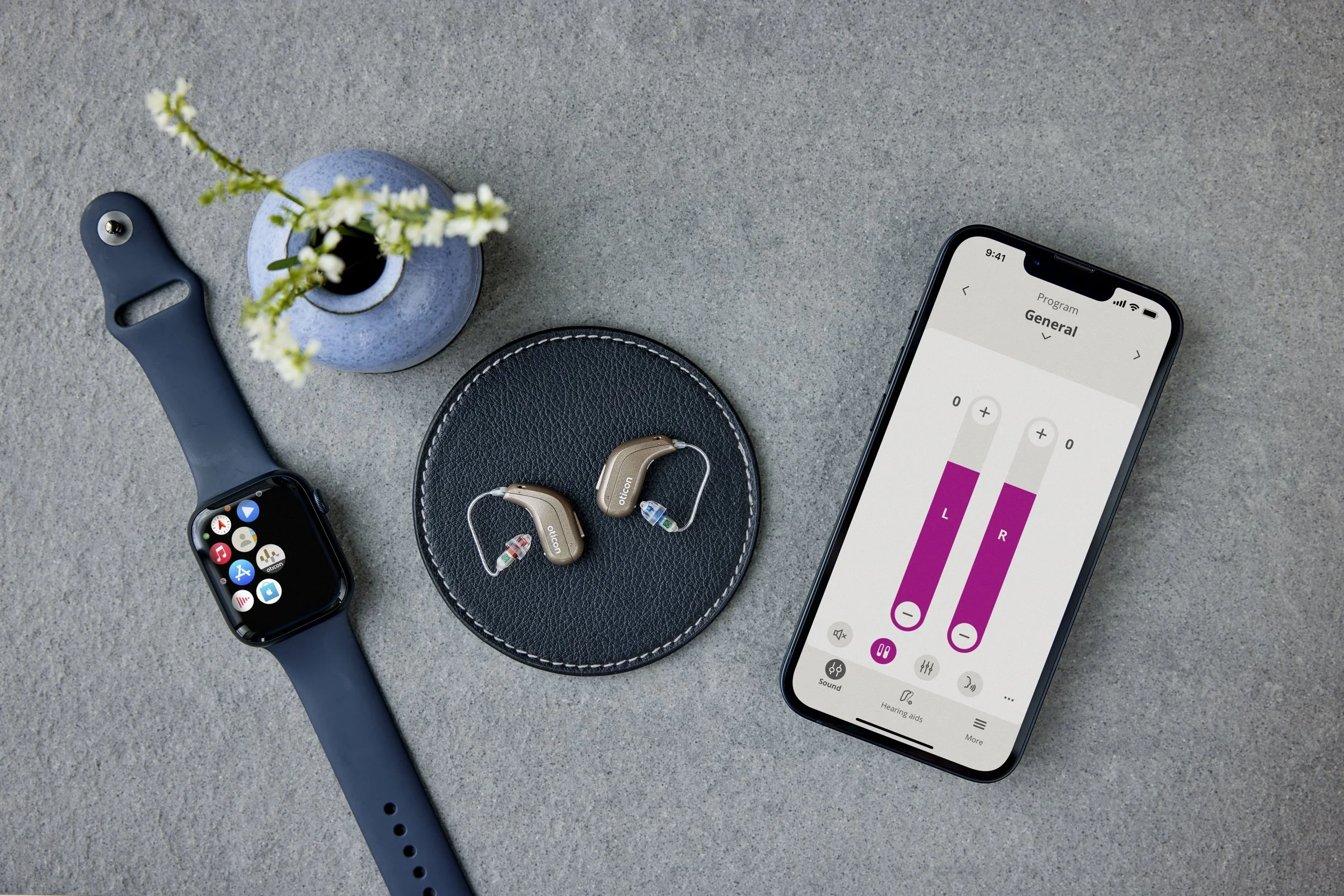
Fortunately, hearing technology has changed dramatically. Modern hearing systems are smarter, smaller, more comfortable, and more connected than ever before. In many ways, today’s hearing aids function more like tiny wearable computers than the devices people remember from years ago.
Some of the biggest advancements include:
Rechargeable Technology
Many modern hearing aids now recharge overnight, eliminating the need for tiny disposable batteries. Simply place them on a charger before bed and wake up ready for the day.
Bluetooth Connectivity
Today’s devices can often connect directly to smartphones, televisions, tablets, and even vehicle systems. Phone calls, music, podcasts, and navigation directions can stream directly into your ears.
Better Speech Understanding
One of the biggest improvements is how modern devices handle noisy environments. Advanced processing systems can help prioritize speech while reducing distracting background noise in places like restaurants, church gatherings, and family events.
Personalized Programming
Hearing care is no longer “one size fits all.” Modern hearing systems can be programmed specifically to your hearing needs, listening lifestyle, and comfort preferences.
Smaller and More Discreet Designs
Many devices are now extremely discreet — some nearly invisible. Others are sleek, modern, and intentionally designed to look more like consumer technology than medical equipment.
Artificial Intelligence and Adaptive Features
Some hearing systems can automatically adjust based on the listening environment, learning user preferences over time and helping conversations feel more natural.
But perhaps the most important difference is this:
Modern hearing care is not just about making things louder. It’s about helping people reconnect with conversations, confidence, relationships, and the everyday moments they may have slowly started missing. And the only way to accomplish that is through a provider who listens and cares.
– Jonathan
Overtime hours, part-time pay.